Compare Local Contractors for Trench Installation Projects
Compare local contractors for trench installation to define your project scope, verify experience, and set clear expectations in writing for a successful job.
Trench installation services typically cover the excavation and preparation of narrow, deep channels in the ground to support various construction or utility projects. This work often involves digging trenches for underground pipelines, electrical lines, drainage systems, or fencing foundations. Contractors handling trench work are responsible for ensuring the trenches are properly aligned, safely excavated, and compliant with any relevant regulations or site-specific requirements. Proper planning and execution are essential to prevent damage to existing underground utilities and to maintain the stability of surrounding structures.
Defining the scope of trench installation is a crucial step in ensuring the project meets expectations. Clearly outlining the dimensions, depth, and purpose of the trenches helps property owners communicate their needs effectively and allows contractors to assess whether they have the experience and equipment necessary for the job. A detailed scope also facilitates accurate documentation, which can prevent misunderstandings and scope creep. When discussing the project with potential service providers, it’s beneficial to ask about their experience with similar trenching projects and to verify that they understand the specific requirements of the work.
Comparing local contractors for trench installation involves evaluating their experience, reputation, and ability to deliver the scope of work effectively. Property owners can benefit from seeking references or reviews to gauge the quality of previous projects. It’s also helpful to verify that contractors are familiar with local regulations and have the appropriate equipment to handle the scope of the trenching work. When speaking with service providers, property owners should ask detailed questions about their approach, request written descriptions of the proposed scope, and ensure that all expectations are clearly documented. This approach helps identify the most suitable contractor for the specific needs of the project.
Compare local contractors by outlining project priorities, verifying experience, and clearly defining scope and expectations in writing.
- Compare Contractor Experience - Review the background and project history of local contractors to ensure relevant expertise.
- Define Project Scope Clearly - Specify the trench installation requirements and expectations in writing to prevent misunderstandings.
- Verify Credentials and References - Check references and previous work to assess the reliability and quality of local service providers.
- Request Written Agreements - Ensure all project details, responsibilities, and expectations are documented in a formal contract.
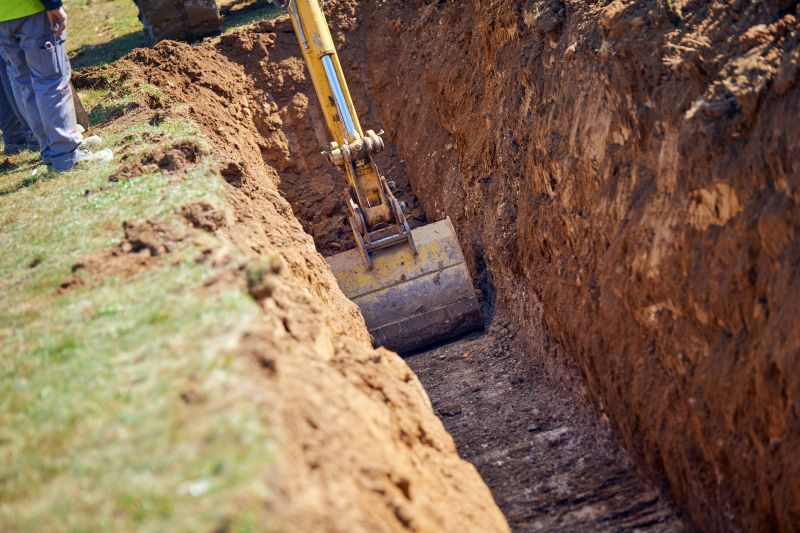
Clearly describe your trench installation project to effectively compare local contractors, verify experience, and set written expectations.
- Verify experience and references for trench installation projects handled by local contractors. - Ensure service providers clearly define the scope of work and expectations in writing before beginning the project.
- Assess the contractor’s understanding of site-specific requirements and potential challenges. - Compare multiple local contractors to evaluate their approach and expertise in trench installation.
- Check that the contractor has appropriate equipment and resources for trench excavation and backfilling. - Confirm that project details, including measurements and materials, are documented in a formal agreement.
- Review the contractor’s safety procedures and adherence to industry standards during trench work. - Clarify the process for handling unforeseen issues or changes during the project with your chosen service provider.
- Ensure the contractor provides a detailed project plan outlining steps, materials, and responsibilities. - Discuss how the contractor plans to protect surrounding property and utilities during trench installation.
Compare local contractors' experience and clarify project details to ensure a well-defined scope.
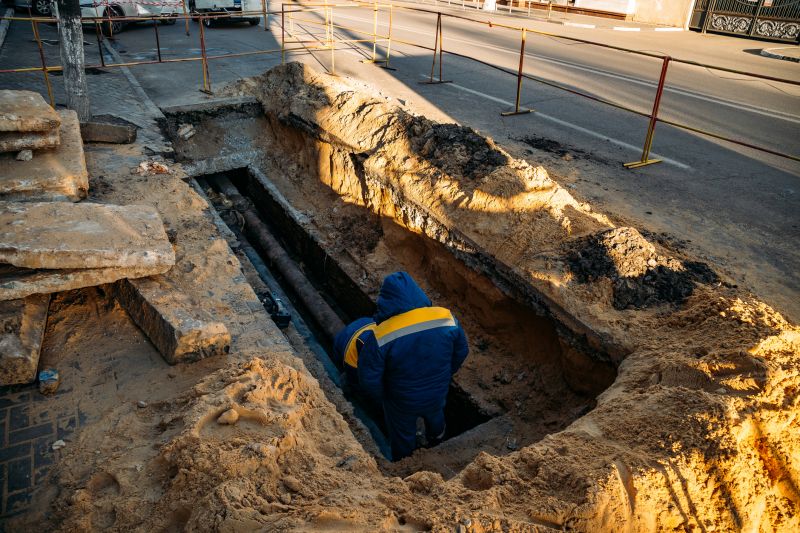
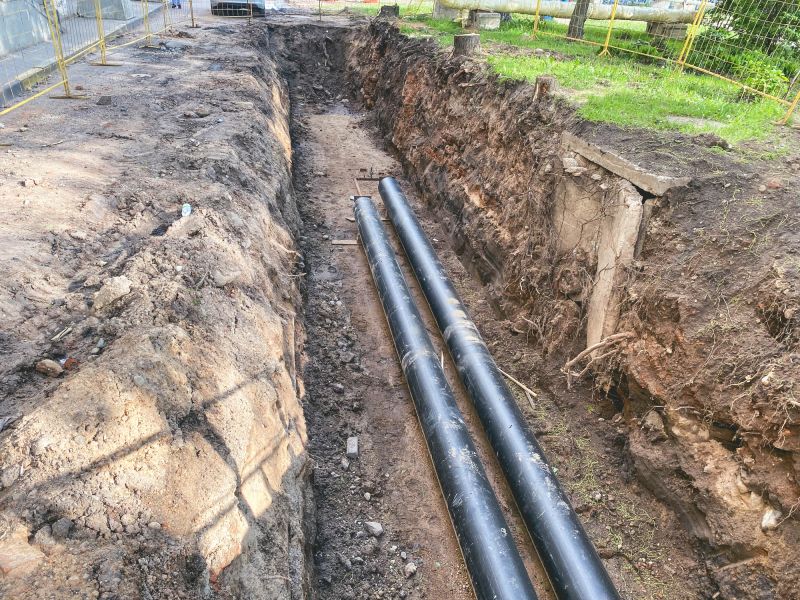
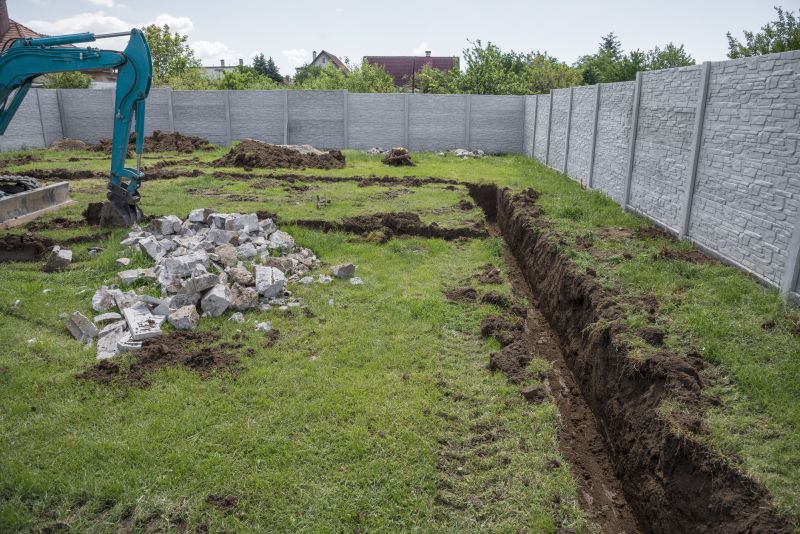
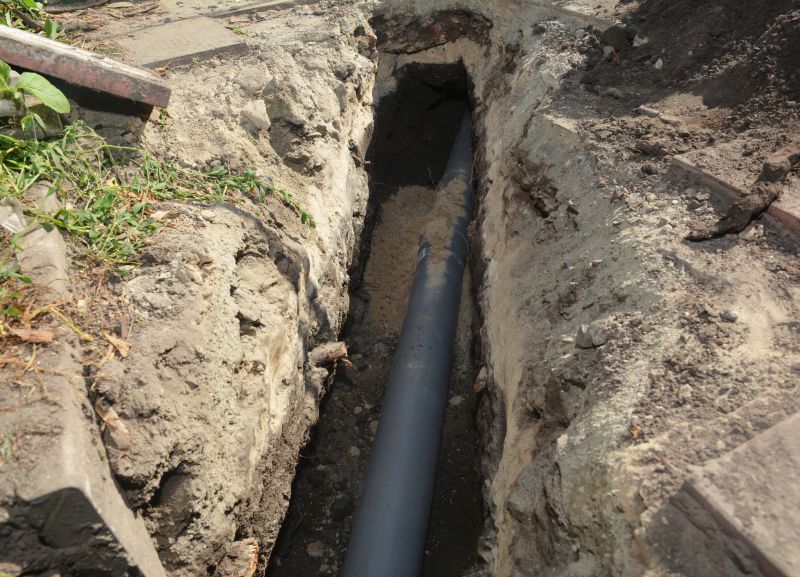
Learn how to compare local contractors for trench installation by defining scope, verifying experience, and setting clear expectations.
- Scope Definition - Clearly outline the specific trench installation tasks required for the project.
- Experience Verification - Confirm that local contractors have relevant experience with trench installation in similar environments.
- Material and Equipment Details - Specify the types of materials and equipment to be used during trench installation.
- Worksite Conditions - Describe the site conditions and any access considerations that may impact trench installation.
- Documentation and Expectations - Ensure all scope details, responsibilities, and expectations are documented in writing before work begins.
When comparing contractors for trench installation, it’s important to evaluate their experience with similar projects. Homeowners should inquire about the types of trenches the contractor has previously installed, including the size, depth, and purpose of those trenches. A contractor with a history of successful work in comparable environments is more likely to understand the unique challenges that might arise and can provide insights into best practices. Gathering details about their past projects helps ensure that the contractor’s expertise aligns with the specific requirements of the site.
A clear, written scope of work is essential for setting expectations and avoiding misunderstandings. Homeowners should seek detailed descriptions of what the trench installation will include, such as excavation, trench depth, materials used, and site restoration. Having this information documented provides a reference point for both parties and ensures that everyone shares a common understanding of the project’s extent. Well-defined scope documents help prevent scope creep and serve as a basis for evaluating the progress and quality of the work.
Verification of a contractor’s background involves checking their credentials and references, as well as confirming their familiarity with local regulations and standards. Homeowners should ask service providers about their previous projects, request references from past clients, and verify that the contractor has the necessary experience for the specific type of trench work needed. Confirming that the contractor understands local soil conditions, utility considerations, and site access requirements can help prevent delays and unforeseen issues during installation.
When evaluating different contractors, it’s important to compare their approaches to planning, communication, and project management. Homeowners should ask how each service provider intends to approach the work, how they will communicate updates, and what measures they take to ensure quality and safety. Clarifying these aspects in writing allows for an informed comparison and helps identify the contractor who demonstrates professionalism and a thorough understanding of trench installation. This approach supports making a well-informed decision based on expertise and project planning rather than price alone.
Request written scope details to ensure clear expectations and consistent understanding among all service providers.
- Experience and Qualifications - What specific experience do local contractors have with trench installation projects similar to yours?
- Scope of Work - How do local service providers define and outline the scope of trench installation services they offer?
- Materials and Methods - What materials and installation methods do local contractors typically use, and how do they compare?
- Project Expectations - How do local contractors communicate project expectations and deliverables in writing?
- Comparison Criteria - What key factors should be used to compare different local contractors’ trench installation services?
How can I compare different contractors for trench installation? It's helpful to review their experience, ask about previous projects, and verify their understanding of your specific needs to ensure they can handle the scope of work effectively.
What should I discuss when defining the scope of trench installation? Clearly outline the length, depth, purpose, and any site-specific considerations to ensure the contractor understands the full extent of the project.
How can I verify a contractor’s experience with trench installation? Request details about their past projects, ask for references, and review any relevant work portfolios to gauge their familiarity with similar jobs.
Why is it important to have the scope of work in writing? A written scope helps prevent misunderstandings, sets clear expectations, and provides a reference point for the project's agreed-upon work and responsibilities.
What questions should I ask to assess a contractor’s professionalism? Inquire about their process, experience, and how they handle unexpected issues to gauge their expertise and approach to managing trench installation projects.
How can I ensure the contractor understands my project requirements? Communicate your needs clearly, provide detailed descriptions, and confirm that the contractor has a thorough understanding before work begins.
Contractors for trench installation offer a range of services tailored to meet specific project needs. Visitors learned how to define the scope of work clearly, verify the experience of local contractors, and set expectations in writing to ensure a smooth process. Comparing multiple service providers through the quote form can help identify options that align with project requirements and preferences.
Utilizing the quote form provides an effective way to explore and compare different contractors capable of handling trench installation projects. By gathering detailed information and establishing clear expectations, it becomes easier to find the right service providers to meet specific needs. Taking this step can help facilitate connections with experienced local contractors ready to assist with trench installation.