Get Land Grading
Land grading services help property owners level and shape land to prevent erosion, improve drainage, and prepare sites for construction or landscaping projects.
Land grading services are an essential step for property owners planning improvements or construction projects. Proper grading ensures proper drainage, prevents erosion, and creates a stable foundation for future development. Whether preparing a yard for landscaping, installing a new driveway, or setting the stage for a building project, experienced local contractors can provide the expertise needed to achieve effective results.
Exploring local options for land grading allows property owners to compare approaches and find the right fit for their specific needs. Working with nearby service providers can help ensure the work aligns with local regulations and site conditions. Continuing to read can provide valuable insights into how local contractors can support property improvements and help bring planning ideas to life.
- Residential Land Grading - needed when homeowners want to improve drainage and prevent water pooling around their property.
- Commercial Site Grading - required for businesses preparing land for construction or landscaping projects.
- Driveway and Pathway Grading - necessary to ensure proper slope and surface stability for safe access.
- Erosion Control Grading - important for stabilizing slopes and preventing soil erosion on hilly or disturbed land.
- Land Clearing and Leveling - used when preparing land for new development or agricultural use.
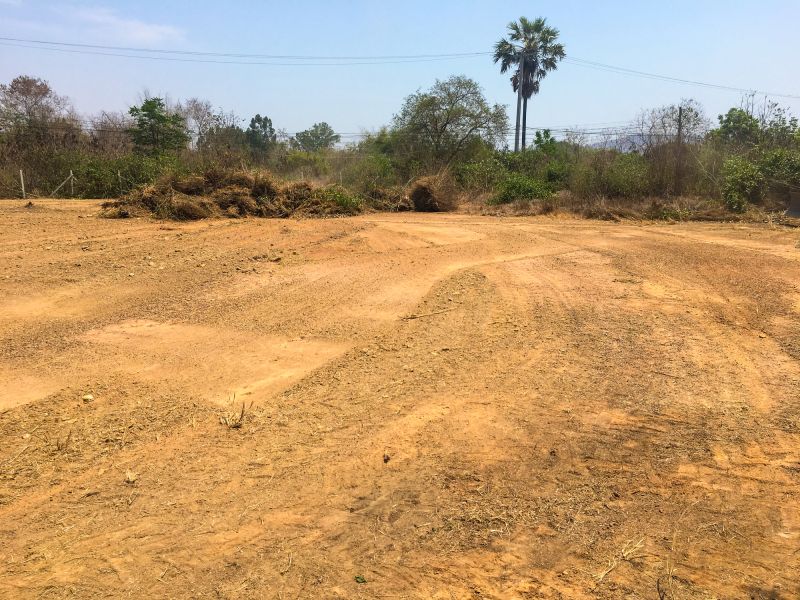
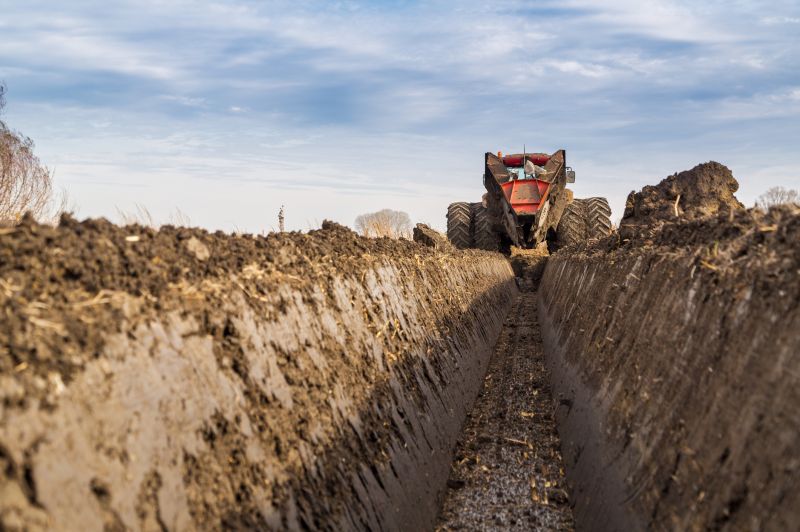
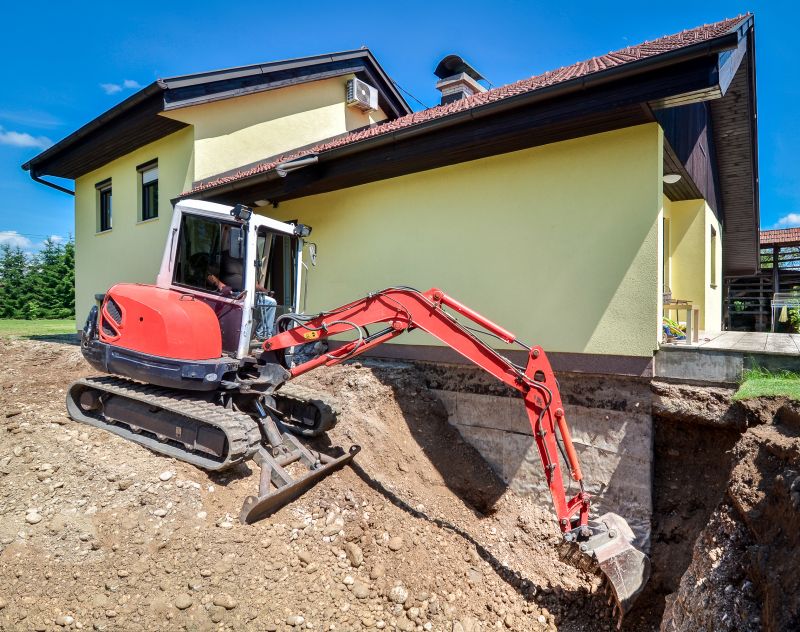
Land grading services involve the process of shaping and leveling the soil on a property to achieve proper drainage and a stable foundation. This work typically includes removing excess soil, filling in low spots, and creating a gentle slope away from structures. Proper land grading ensures that rainwater flows away from buildings, preventing water from pooling around foundations, which can lead to structural issues or basement flooding. Experienced local contractors use specialized equipment to perform grading accurately, helping to prepare a property for construction, landscaping, or ongoing maintenance.
These services are essential for addressing common problems associated with poor drainage and uneven terrain. When water tends to collect near a home or other structures, it can cause foundation damage, erosion, or mold growth. Land grading can correct these issues by redirecting water flow and creating a more stable surface. Additionally, grading can help prepare a yard for landscaping projects, ensuring a level surface for lawns, gardens, or patios. Property owners who notice water pooling or uneven ground often find land grading to be a practical solution to improve safety, prevent damage, and enhance usability.
Land grading is frequently used on residential properties, commercial sites, and large estates. Homeowners with sloping yards or issues with water runoff often seek grading services to protect their investments and improve outdoor spaces. New construction projects also require grading to establish a solid foundation before building begins. Larger properties, such as farms or industrial sites, may need extensive grading to manage water flow across broad areas. Regardless of the property's size, professional land grading helps create a safer, more functional outdoor environment by ensuring proper drainage and a level surface.
When considering land grading, property owners should look for local service providers experienced in handling different types of terrain and property sizes. These professionals can assess the specific needs of a site, identify problem areas, and recommend appropriate grading solutions. Whether addressing drainage issues, preparing for construction, or improving landscape aesthetics, connecting with local contractors ensures the work is done efficiently and effectively. Proper land grading can make a significant difference in maintaining the integrity and usability of a property over time.
The overview below groups typical Land Grading projects into broad ranges so you can see how smaller, mid-sized, and larger jobs often compare in your area.
In many markets, a large share of routine jobs stays in the lower and middle ranges, while only a smaller percentage of projects moves into the highest bands when the work is more complex or site conditions are harder than average.
Smaller Repairs - Typical costs for minor land grading jobs, such as fixing drainage issues or leveling small areas, usually range from $250-$600. Many routine projects fall within this middle range, with fewer jobs reaching the higher end.
Moderate Projects - Medium-sized land grading work, including driveway prep or yard leveling, often costs between $1,000-$3,000. These projects are common for local contractors handling standard residential jobs.
Large-Scale Grading - Larger projects like site preparation for new construction can range from $3,500-$10,000, depending on scope and terrain complexity. Many projects in this category fall into the mid to upper parts of this range, with fewer reaching the highest tiers.
Full Land Regrading or Excavation - Extensive land overhaul or significant excavation projects can exceed $10,000, with larger, more complex jobs reaching $20,000+ in some cases. Such projects are less common and tend to be at the upper end of typical cost ranges.
Actual totals will depend on details like access to the work area, the scope of the project, and the materials selected, so use these as general starting points rather than exact figures.
Site Preparation for Construction - involves grading and leveling land to prepare a site for building foundations and infrastructure.
Stormwater Drainage Systems - requires grading expertise to ensure proper water flow and prevent flooding around properties.
Landscape Grading and Landscaping - includes shaping land to create functional and aesthetic outdoor spaces, utilizing similar planning and tools.
Erosion Control Projects - involves grading techniques to stabilize soil and prevent erosion on slopes and disturbed land.
Driveway and Pathway Installation - requires precise grading to ensure proper drainage and a smooth surface for walkways and driveways.
Excavation for Foundations and Basements - involves earthmoving skills and planning to prepare the land for structural work.
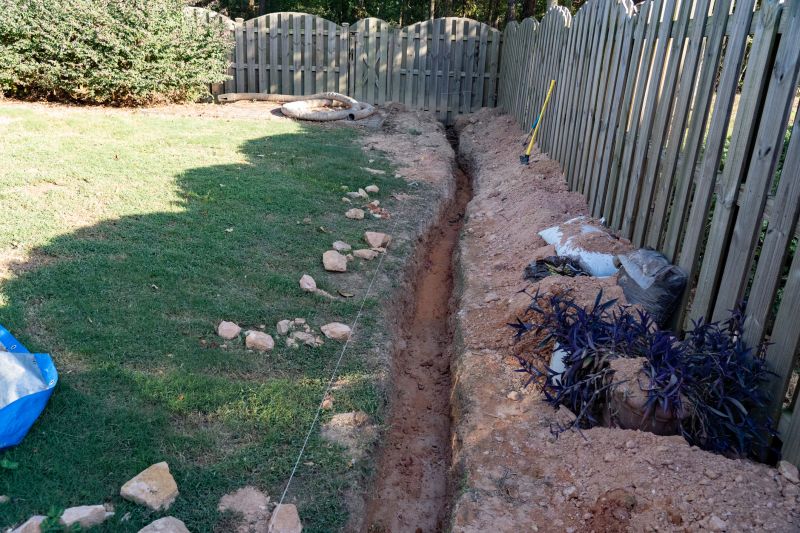
When comparing land grading service providers, it’s important to consider their experience with similar projects. Homeowners should look for local contractors who have a proven track record of handling projects comparable in size and scope to their own. Asking about the types of land grading jobs they’ve completed can provide insight into their familiarity with the specific challenges and requirements of the work. An experienced service provider is more likely to understand the nuances of site preparation, drainage considerations, and soil conditions that are unique to the local area.
Clear, written expectations are a key factor in ensuring a smooth project process. Homeowners should seek out service providers who can provide detailed descriptions of the work scope, materials, and methods they plan to use. Having these expectations documented helps prevent misunderstandings and sets a foundation for accountability. It’s also advisable to request a written estimate or proposal that outlines the project’s specifics, so that everyone involved has a shared understanding of what will be done and what to expect throughout the process.
Reputable references and good communication are essential when choosing a land grading contractor. Homeowners should ask for references from past clients who had similar work done, to gain insight into the contractor’s reliability, professionalism, and quality of work. Additionally, effective communication-such as prompt responses to questions and clarity in explaining the project-is a strong indicator of a dependable service provider. While this site introduces homeowners to local options, it does not perform the work itself; instead, it helps connect individuals with local contractors who are equipped to handle their land grading needs.
Property owners use Land Grading services for practical projects around their homes and businesses. This guide focuses on everyday jobs and straightforward project options.
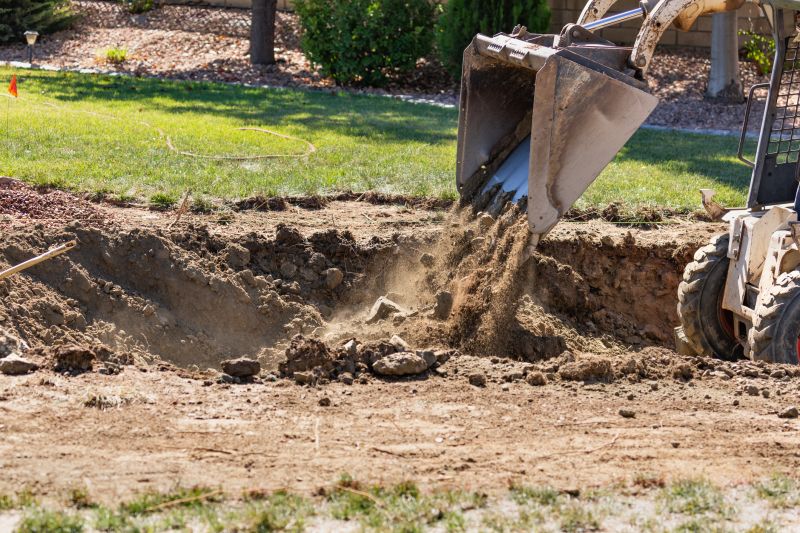
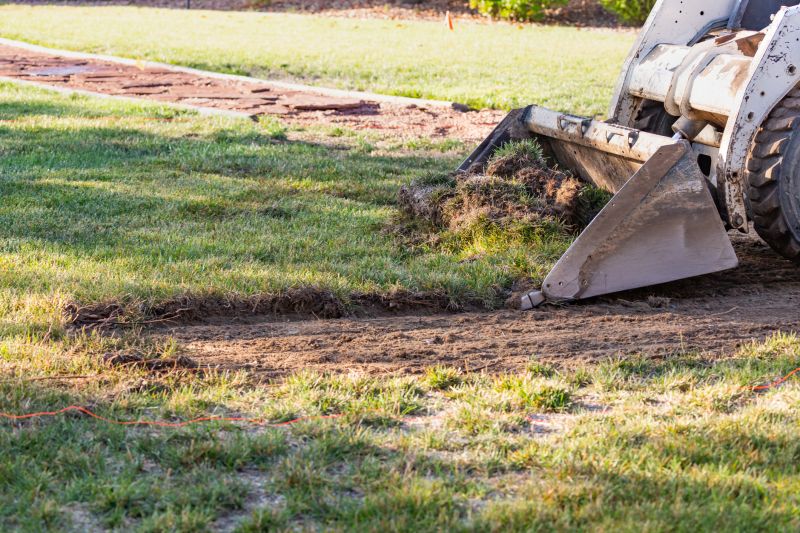
Land grading services are often needed when property owners want to improve drainage around their homes or commercial properties. This can be important after heavy rains, to prevent water from pooling near foundations, or when preparing a site for new construction or landscaping projects. Local contractors specializing in land grading can help level uneven terrain, creating a stable and functional surface that meets the specific needs of each property.
Property owners might also seek land grading to enhance the safety and usability of outdoor spaces. For example, sloped or poorly drained areas can lead to erosion or muddy conditions, making outdoor activities difficult. Local service providers can assess the land and provide grading solutions that improve runoff management and overall landscape appearance, helping owners maintain a safe and attractive property.
What is land grading? Land grading involves shaping the terrain to ensure proper drainage, level the land, and prepare it for construction or landscaping projects.
Why is land grading important? Proper land grading helps prevent water accumulation, reduces erosion, and creates a stable foundation for building or landscaping efforts.
How do local contractors perform land grading? Local service providers use specialized equipment to adjust the land's slope and elevation according to project requirements.
What types of properties typically need land grading? Residential yards, commercial sites, and agricultural land often require grading to improve drainage and stability.
How can I find local pros for land grading? This website can connect you with experienced local contractors who specialize in land grading services in your area.
Prepare for Landscaping Projects - Proper land grading ensures a level foundation for gardens, lawns, or outdoor structures, helping to create a safe and attractive outdoor space.
Improve Drainage and Water Flow - Land grading can direct rainwater away from foundations and low-lying areas, reducing the risk of water damage and erosion.
Install a New Driveway or Pathway - Achieving a stable, even surface for driveways or walkways can enhance accessibility and curb appeal.
Level a Sloped Yard for Usability - Regrading uneven terrain makes outdoor areas more functional for activities like playing, hosting gatherings, or installing recreational features.
If you are thinking about Land Grading for a property, this guide is meant to help you understand the work, the typical project types, and how different options might fit your plans.
When you are ready, you can use the quote form on this page to share a few details about your project. From there, local pros can review the basics and respond with options that match what you have in mind.